

How to Properly Maintain and Clean an Espresso Coffee Machine
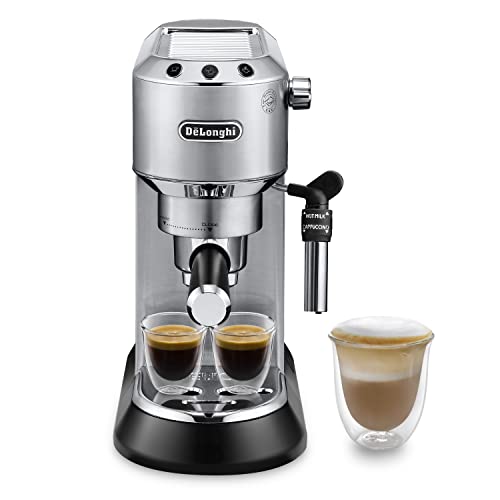
Espresso machines push water through the coffee grounds via pressure. This type of brewing produces an even stronger drink than drip coffee. These machines require nine bar of pressure in order to extract the flavor from the ground.
Espresso machines are available in three major varieties. There are three main kinds of espresso machines semiautomatic, manual and fully automatic. Semiautomatic machines let you manage the grinding, tamping and extraction time. They provide a great compromise between machine control and human reliability.
Simple to use
The top espresso machines come with an intuitive interface. The top espresso machines feature an adjustable thermostat to keep the water at a consistent temperature, and a pressure pump that increases the amount of water included in each shot. The higher pressure allows grounds to dissolve more quickly and creates a crema of the perfect consistency. These machines also have a milk frother to make espresso-based drinks, such as lattes and cappuccinos.
The steam-driven electric machines make use of an airtight tank to heat water until it reaches boiling point, and then release the pressure into a shot espresso. Although they're compact and affordable, they can only reach only 1-2 bars of pressure which is less than the ideal 9 bars required for espresso.
Semi-automatic espresso machines work by infusing hot water through an espresso portafilter that has been pre-ground and tamped of beans. The barista handles the extraction process, but they must manually grind, measure and tamp the beans prior each cup. This machine is more expensive but it offers greater control and stability. Jai from Blank Street Cafe says.
Full-automatic espresso machines take out the barista from the coffee making process, which makes them much more user-friendly than semi-automatic models. Most have built-in grinders that click into the portafilter. They automatically grind and dose the beans, and can be adjusted to make different drinks. Some machines include an hopper for milk that can foam milk and then pour it out for you.
Easy to clean
Espresso machines make a stronger, more full-bodied shot by using greater heat and pressure than drip coffee makers. They also come with the milk-frothing mechanism that allows you to make cappuccinos as well as lattes. They require more care than drip machines, such as regular cleaning and descale. Fortunately that most espresso machines are simple to clean. Some models on our list were designed to make this process simpler.
Most espresso machines come with a portafilter to hold the grounds of coffee during brewing. Some models have a grouphead, which is a collection of parts that perform the extraction. Backflushing your machine regularly will keep these parts clean and free of gunk and grit. This means cleaning and brushing the portafilter, locking it, and running the brew process multiple times. Many coffeehouses backflush the machines on a regular basis, but home users need to only do it once per week.
It is best to use softened or filtered water, since it will decrease the amount of minerals and the need to remove scale. However it is essential to note that a reasonable amount of minerals is essential for proper extraction. Too much will overpower the flavor, whereas too little could result in an unsavory and weak cup of coffee. Keeping your machine properly maintained will ensure that it will continue to function properly and taste great for as long as you own it.
Easy to maintain
An espresso machine is an impressive piece of equipment that enables you to serve a diverse variety of coffee drinks. A carafe coffee maker can achieve the same result however, an espresso machine needs greater pressure and temperatures. In order to do this, it should be properly maintained and cleaned. You don't need to be an an expert in order to keep your espresso maker in good working order.
You'll want to clean the gasket at least once a week. Here, the coffee oils may accumulate and cause bitter taste in the espresso. To do this, backflush the group using a solution of water and espresso machine cleaner. espresso capsule machine 'll also need to scrub the screen of your group including the nooks and crevices using a toothbrush made of nylon or Coffeetool.
It is also essential to clean the drip tray daily because it collects coffee waste from each brewing cycle. This can become an ideal place for the growth of mold and bacteria that can alter the taste of your coffee. It is also important to clean the exterior of your machine regularly to avoid the accumulation of milk residue and coffee.
It is also worth considering a milk system cleaner, which is food-safe and designed to clean components that come into contact with milk. These products are sold in many supermarkets and are simple to use.
Repairable and simple
A coffee machine or espresso maker is a valuable appliance in a office or home. But, just like any other electrical appliance, it can fail at times. This can be frustrating especially if the coffee or espresso machine isn't working. Fortunately, most of these issues can be easily fixed. In most cases, they are caused by a simple error or poor maintenance.
Make sure that the machine has been plugged in and is functioning. Examine the water tank for obstructions or clogs. If the problem persists it could be necessary to get in touch with a professional technician.
Coffee and espresso machines can encounter a myriad of issues, including no power or heating, malfunctioning steam wands, or inability to create enough pressure. These issues are usually easily repaired, however others require more detailed cleaning and troubleshooting. These tasks should be completed with extreme care and prudence since many parts are delicate and may be easily damaged.
If you are unsure of what to do to fix your espresso or coffee machine, it is recommended to consult with a professional for costly repairs. In addition, you must always use the right tools and follow the safest procedures when fixing espresso or coffee machines. Be aware that certain brands will only allow their espresso machines or coffee makers to be repaired by a repair center in the nation that is accredited.